11 June 2026

The Present TENSE

With the Masters coming to a close in September it is time to consider what we will show as part of our exhibition at City & Guilds London. I learnt so much from installing The Pale Soft Palaces of Death and my thesis reflected upon this gradual emergence of a post-medium practice grounded in installation, material relation, and duration. Here’s an except from my thesis outlining an idea for the new work::

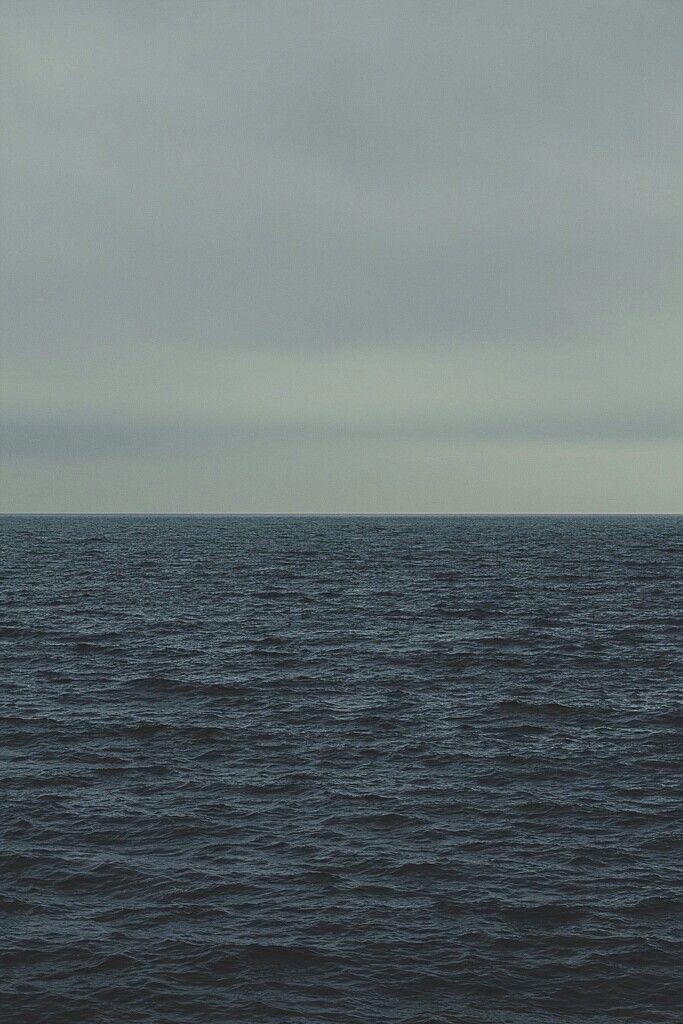
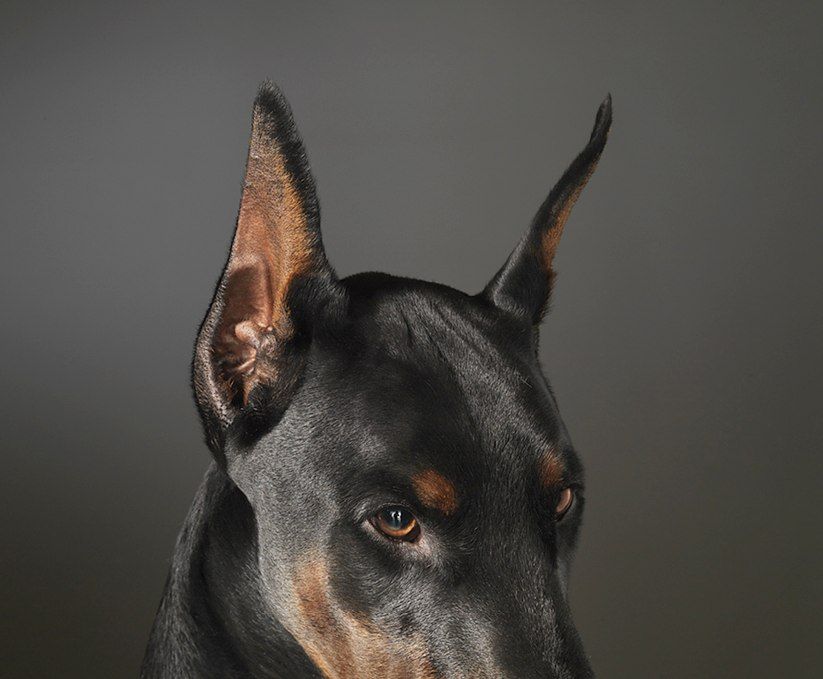
A continuous live feed from the south coast, looking outward towards the horizon and projected into the gallery, while simultaneously streamed through my website. The horizon signifies futurity, aspiration, and the possibility of what lies beyond, yet it is also an optical illusion that continually recedes as one approaches it. In this sense, it becomes a figure for unfulfilled longing and the cruel optimism that runs throughout this thesis. The feed would continue uninterrupted through night, storms, changing weather, extended periods in which little appears to happen, and the occasional technical failure. This durational emptiness is central to the work. Through prolonged looking and suspended action, anticipation, projection, anxiety, and boredom begin to emerge. The viewer becomes sensitised not to an event, but to the condition of watchfulness itself. Drawing upon the visual language of surveillance infrastructure while displacing its conventional function, the camera no longer secures territory or produces actionable information. Instead, it performs a continuous and unresolved act of looking. The work operates as a form of affective surveillance: a technological system registering atmosphere, duration, and the psychological textures of living under conditions of precarity, overwhelm, and diffuse threat. Yet it also remains attentive to resilience, care, and the labour involved in sustaining forms of life under such conditions. Alongside the moving image, I am considering painting and sculpture as components of the installation. The figure of the dog recurs as a symbol of protection, guardianship, and vigilance. Territorial and watchful, it occupies an ambiguous space between care and defence.

In developing this work, I became interested in the metaphorical relationship between territorial borders and psychic ones. The live feed of the south coast borrows from the visual language of surveillance, yet its subject is less the coastline itself than the conditions of watchfulness it evokes. I found myself returning repeatedly to the question of fear and the ways it becomes politically organised. Borders are not natural facts but political constructions, shaped by power, resource distribution, and anxiety. At the level of subjectivity, similar dynamics emerge. The psyche establishes its own borders, producing a sense of sovereignty through vigilance, defence, and self protection. The work explores these resonances between the political and the personal, asking how fear shapes both collective attitudes towards belonging and exclusion, and individual experiences of vulnerability and hypervigilance. These questions of fear, protection, and belonging are never fully resolved; rather, they persist, returning in different forms across personal and collective life. As Sadeq Rahimi writes, “to tell a story is always to invoke ghosts, to open a space through which something returns” (Rahimi 21). Rather than resolving these tensions, art becomes a space where they may linger. Positions are not fixed within narrative but dispersed across forms – text, image, object, and duration – allowing absence to operate as a structuring force.

11 June 2026

Research

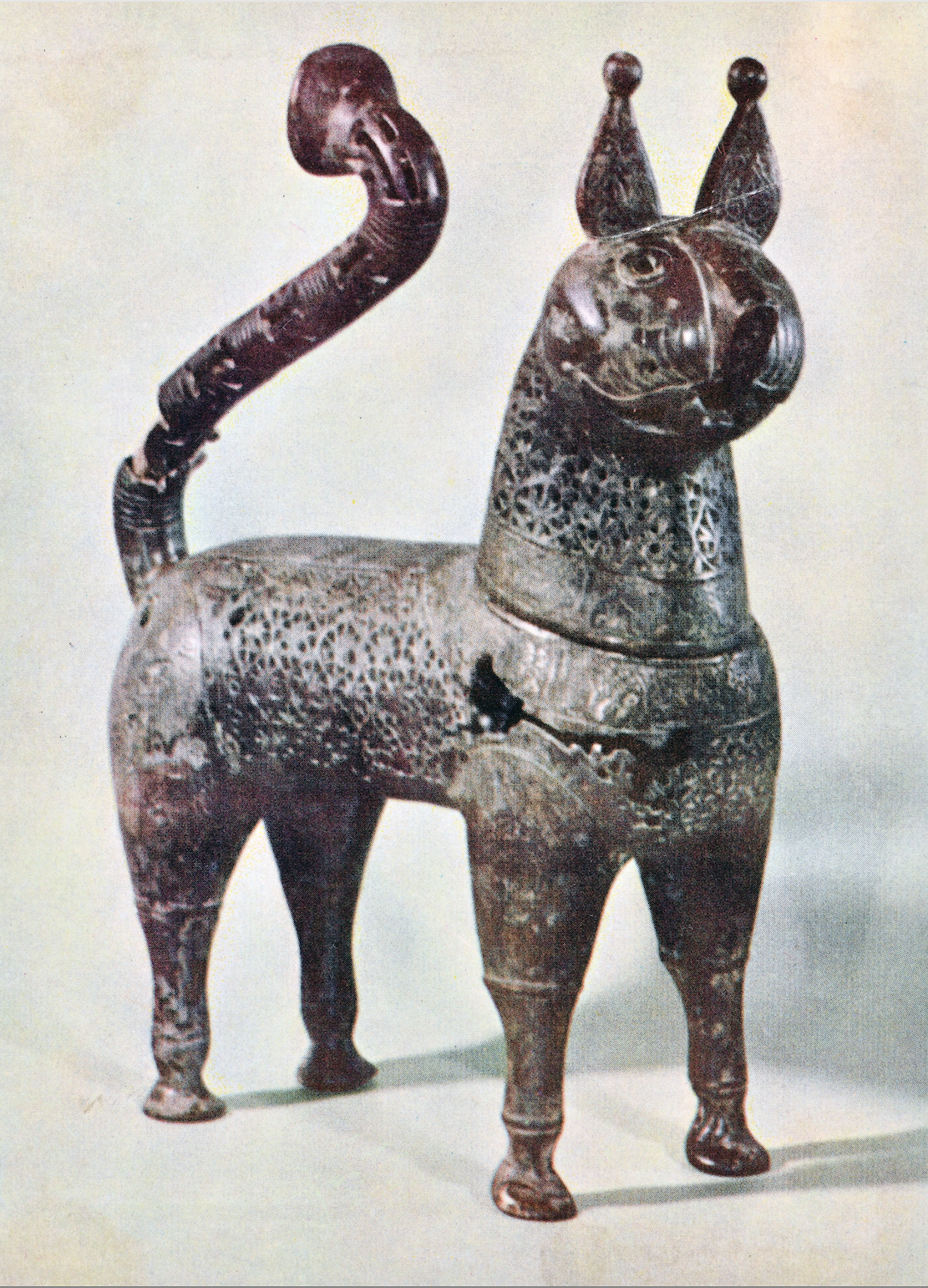
Feline Incense Burner 1150–1200 Iran, Khurasan, Seljuq period of Iran (1037–1194)

Yesterday I went to one of my favourite places in London, The Warburg Institute at SOAS. I go there when I need to do some visual research, to gain a deeper reading on the references I am working with. I found Thoth there (God of Time) which was the kernal of the body of work I went on to make around my relationship with my dad (Pale Soft Palaces of Death). Thoth is also part protagonist of a short fictional work I wrote, Stray (see Writing).

They have the most wonderful collection of global cultural history and address the role that images have in society. Whenever I go there I find a gem and come out inspired.

I have begun visual research for a new painting I want to make and was looking for dogs, see (proposal for new body of work) but found this little feline which was hiding in the wrong section. She's a copper alloy incense burner from c.1150–1200. (We have a cat who is such a valued member of our little family, it's like she's nudging me to be included). This object symbolises, valour, power and protection. Her use in medieval Persian culture, was to smoke wild rue (Peganum harmala), which operated at the exact intersection of magical protection and scientific pharmacology. Ordinary folk burned the plant to navigate a world filled with unseen spirits and as a tactile reminder of a spiritual instruction, urging the household to transition from the material world to spiritual contemplation. This immediately spoke to hauntology, survival and the household. Ideas I have been writing about for my dissertation.

The staff at Warburg are so helpful. Paul photographed it for me at high res and emailed to me. Now, I just need to figure out how to make a painting with her (Luc Tuyman's guidance that a painting must be more than the image itself circling). And I have ordered some Wild Rue incense.

4 June 2026

Painting in Oil.

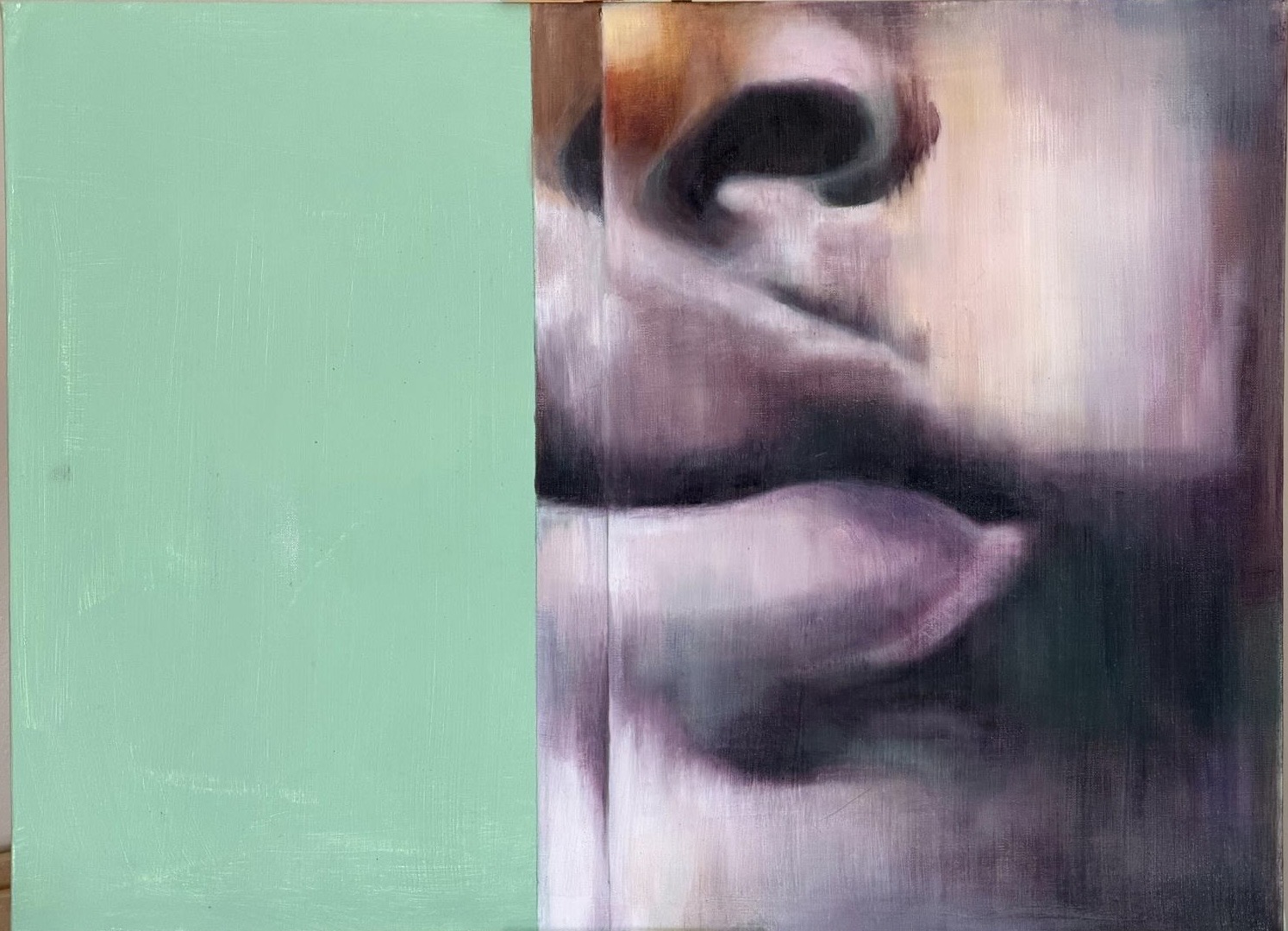
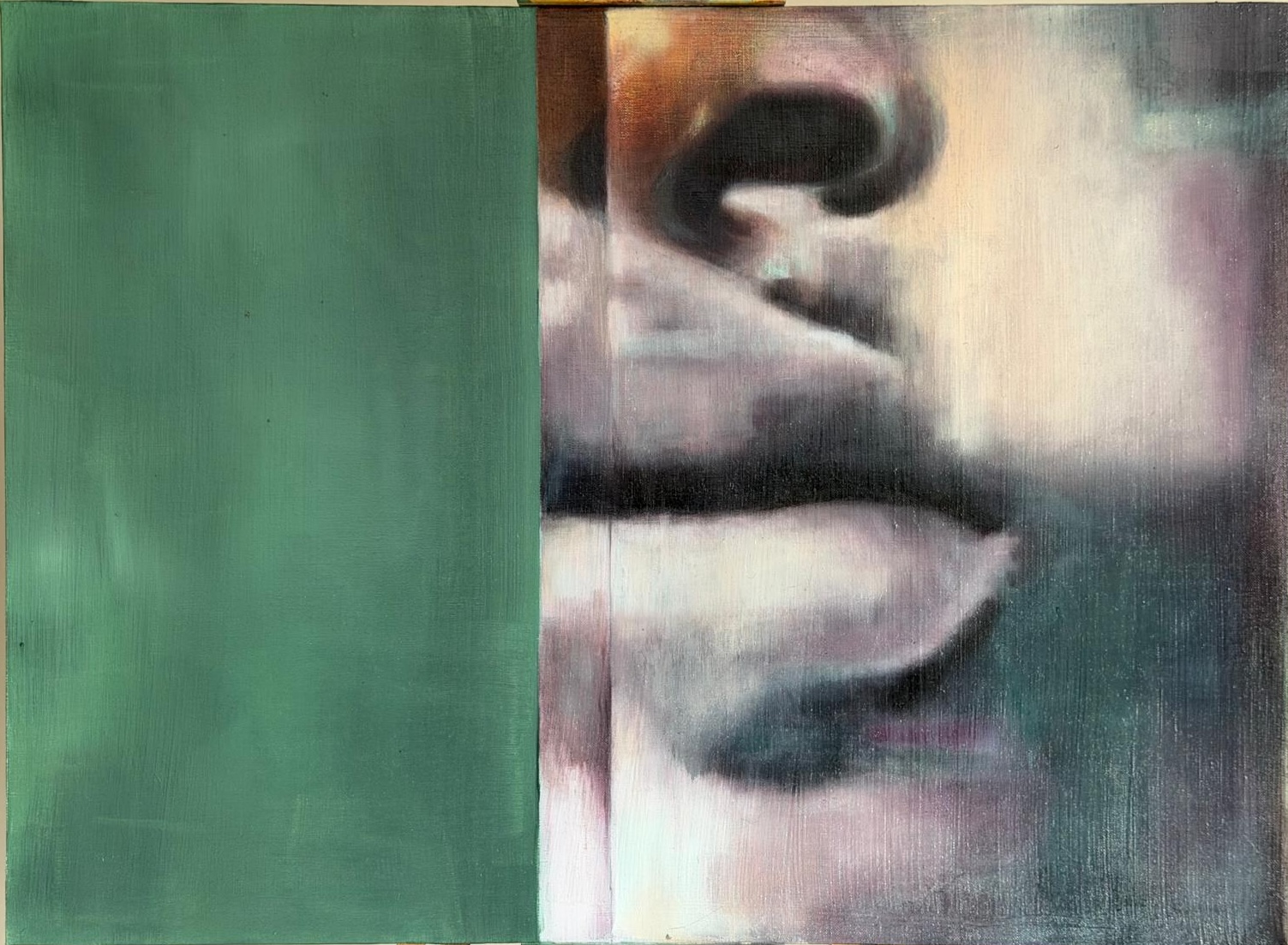
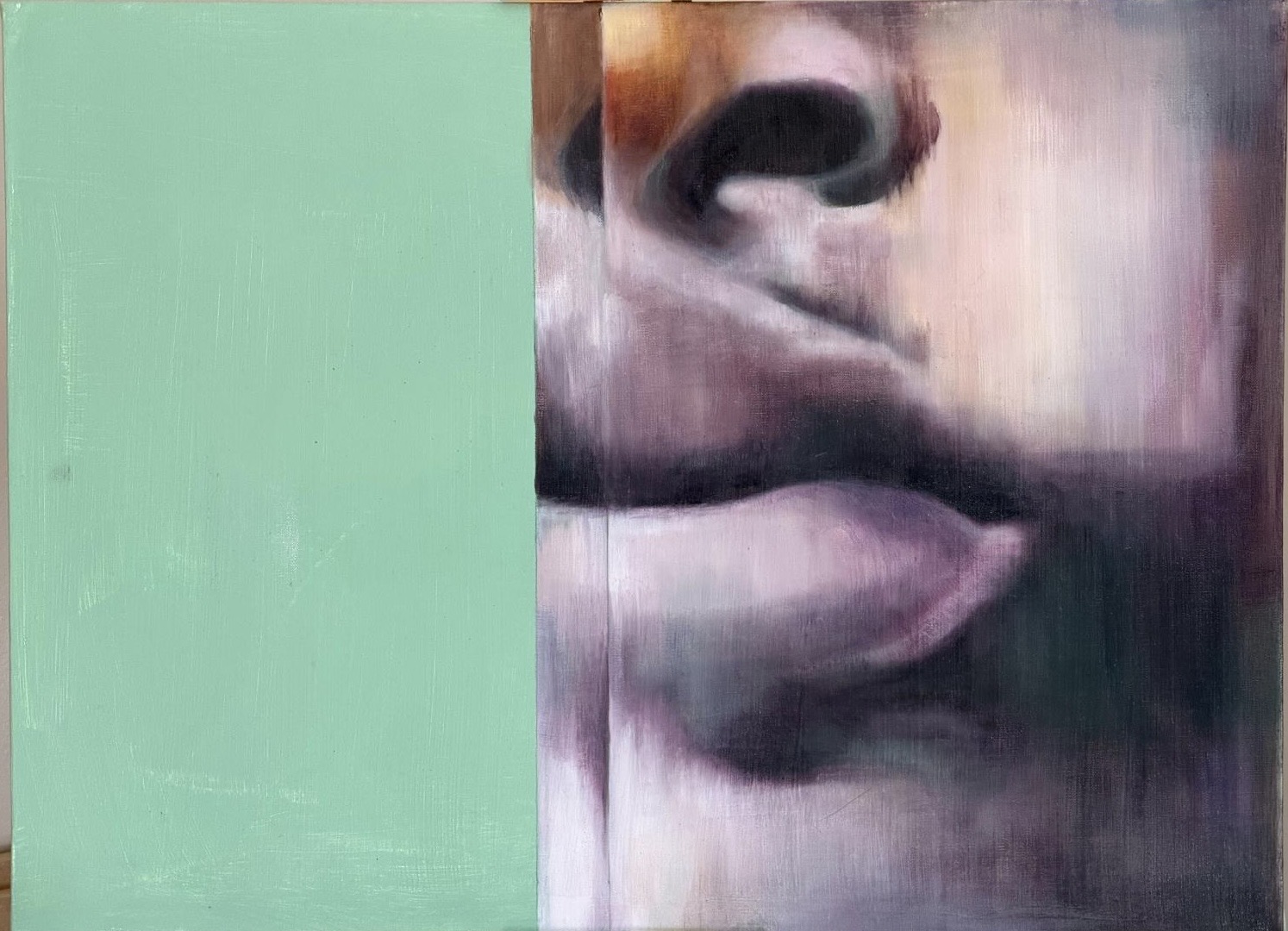
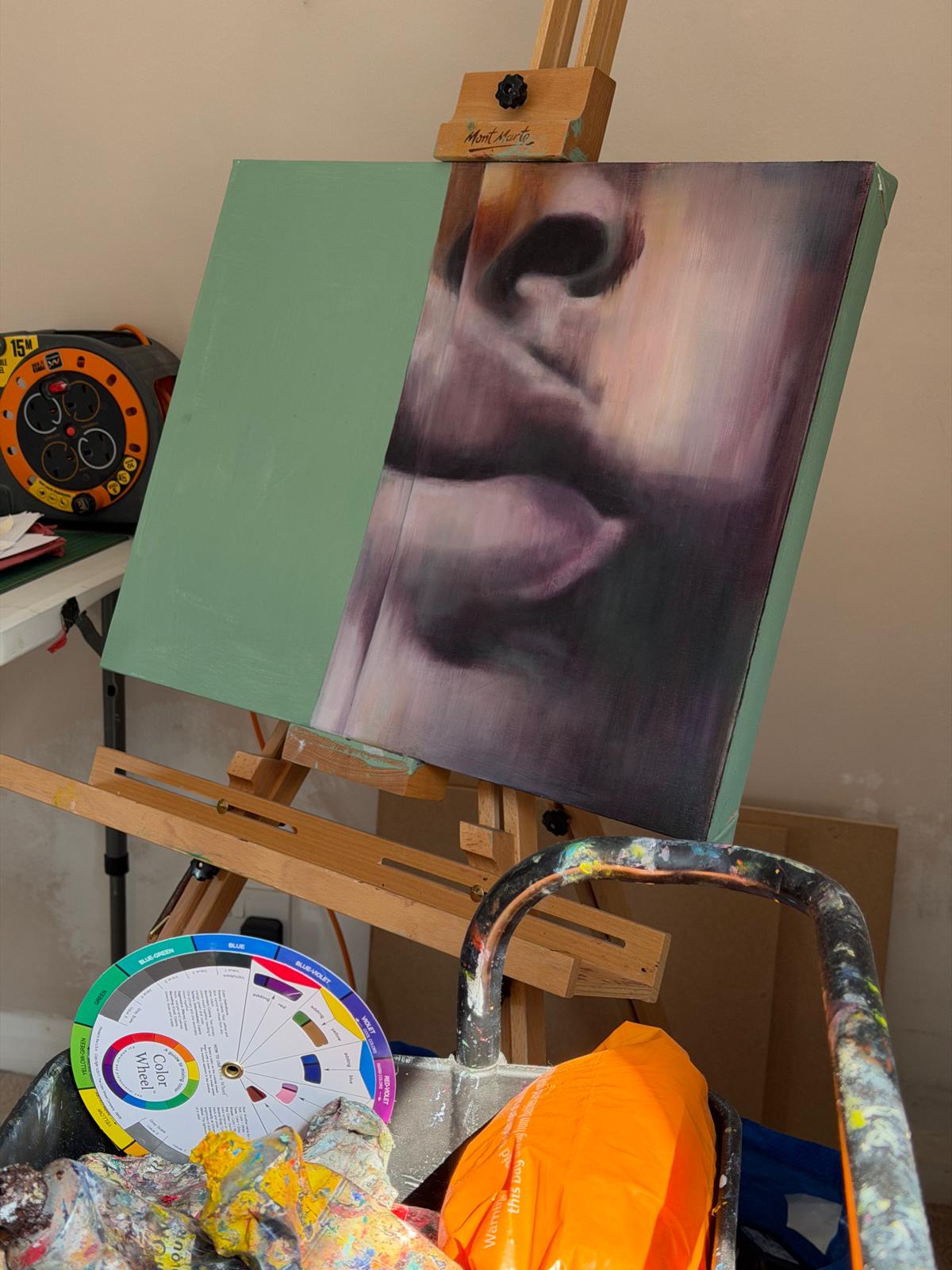
May, work in progress, oil on canvas, 2026 June, work in progress, oil on canvas, 2026
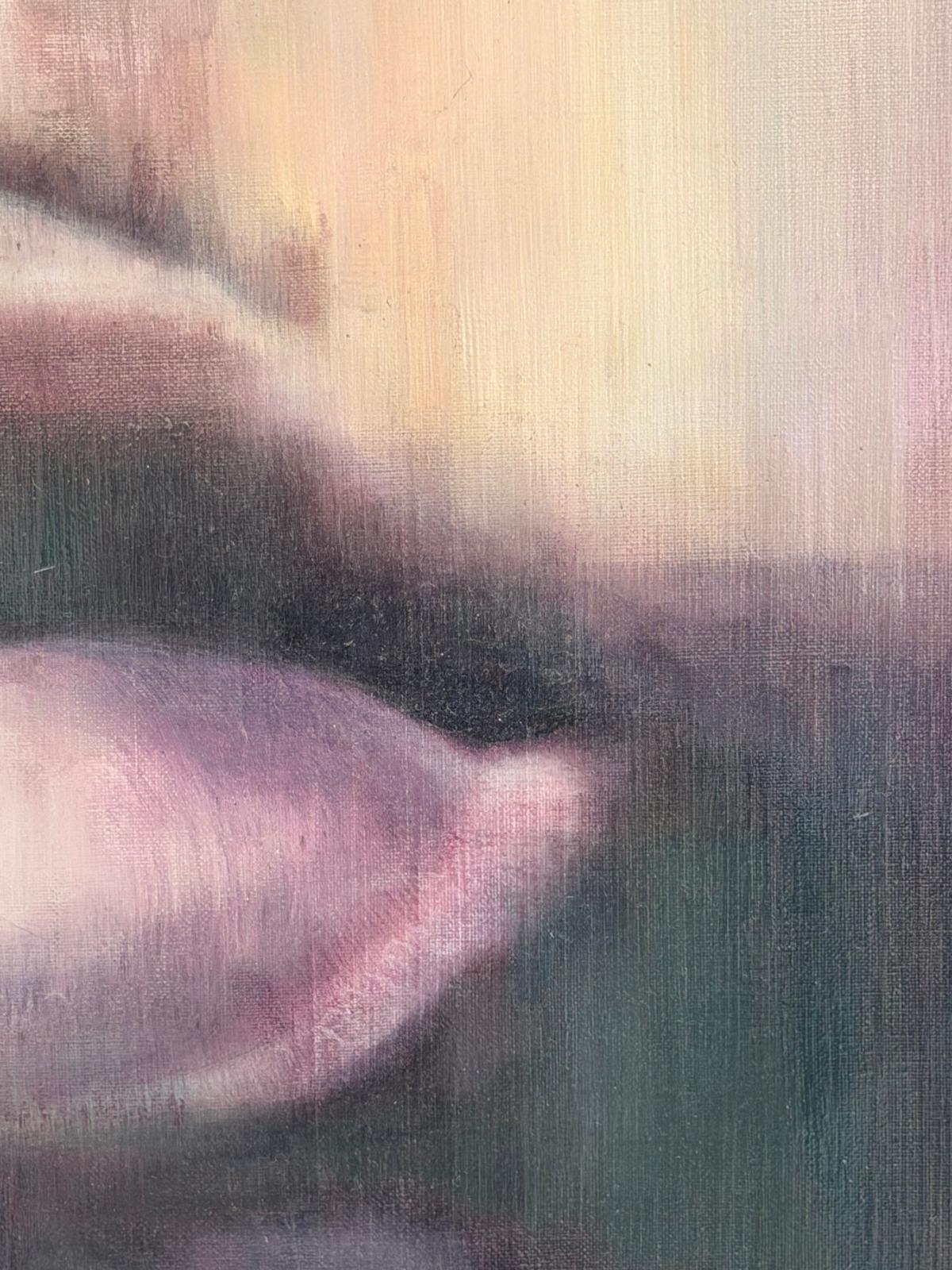
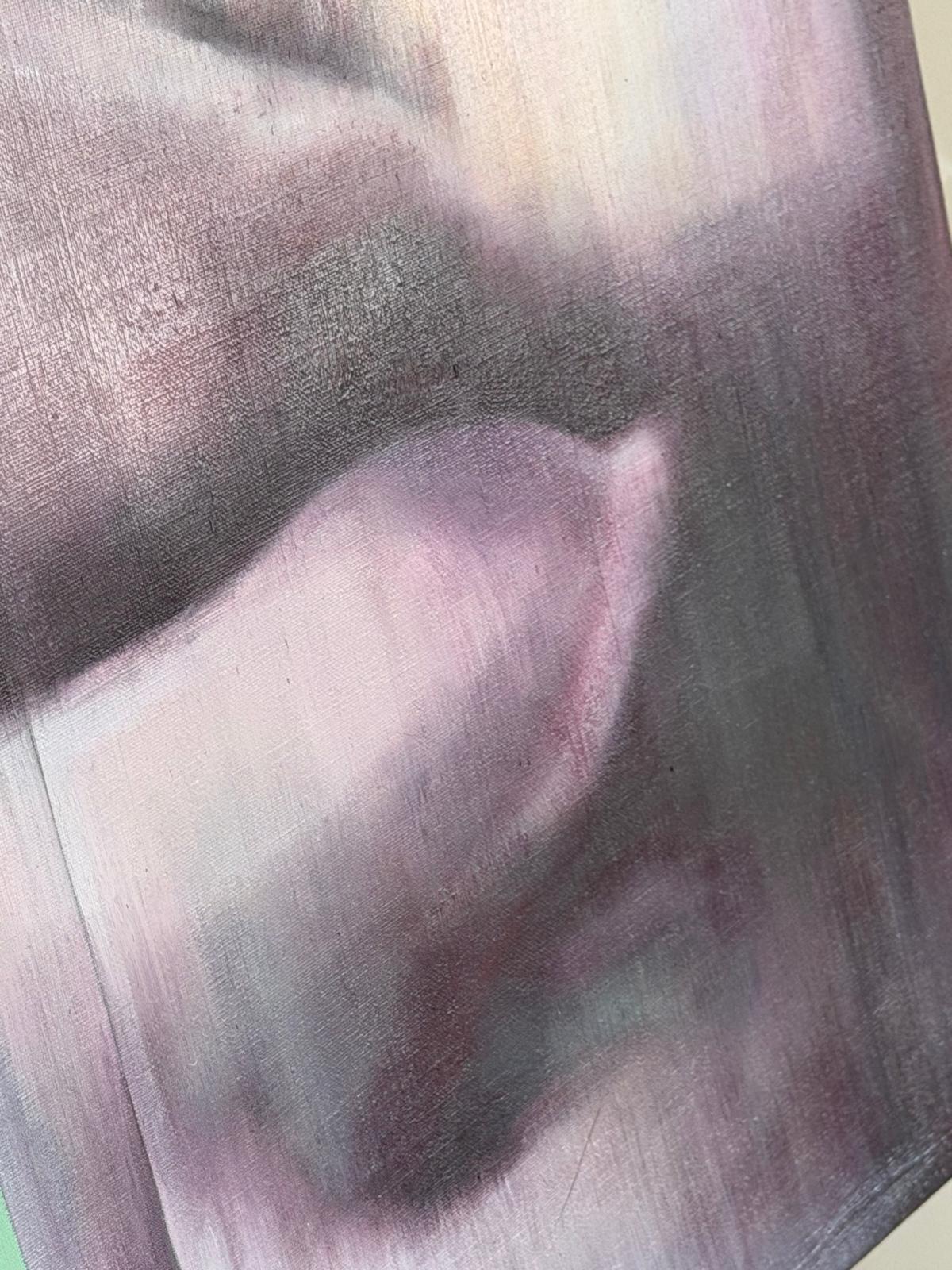
I handed in my dissertation on Tuesday (yay). Over the weekend I picked up a painting I hadn't touched for a few weeks. The one on the right is the latest development. Something was bothering me about the one of the left, it was too purple, I was trying to resolve the green panel too (this isn't something I will do again, the painting itself can do enough without this collage affect. I also realise that the disturbance of the repetition of the image, is enough to create the movement I want for the eye) . The colours were too fresh. I want to create something more abject, something bordering on aggressive, but that also does justice to the subject's beauty (its a screen grab, a close in detail from the Tom Ford Aut/Winter 2026 runway show). It's a wrestle for me to make the paint do what I want it to do (I am way off the 10,000 hour rule just yet). I'm attempting something aligned to the tone of Michael Borremans and Luc Tuymans with a touch of Kay Donahue – something haunted. It's that contradiction between the brutality of living with the erotic nature of being, painting for me right now is that metaphor in practice, and I have written about this in my thesis. Mid way, its tricky to know if you've pushed a painting too far, have I overworked it? probably, fucked it up, maybe, should I abandon it? – absolutely not right now. Something interesting is happening. Particularly in the learnings I am taking from making this painting in terms of surface, layering of the paint saturated in more oil medium. Too thick and I kill it and then need to wipe off, then I push that and become a bit aggressive uncover some of the canvas primed in green, I like it, then I don't. Each time I look at it something shifts between reference image in it's colouring and then how I manage the colours. Luc Tuymans said somewhere recently, a painting needs to be something other than the image, I get that. I love the feel of stroking canvas in oil. Occasionally I get into flow and the texture of the painting is just right, the paintbrush feels like the right tool, then I loose it. I need to remember to step away, to pause, I need to pull away when I am tired. But that feeling.... it's the closest I get to flight. I can't stop looking at it. Painting forces me to be more gentle, it slows my nervous system. Maybe one day I will get good. I'll keep sharing until that happens. If you're reading please and you have any practice tips please lmk, or even any thoughts.

7 May 2026

Hazelnuts and salt

On Mysticism is becoming a central text in the final chapter of my dissertation, which asserts that, for me, making art is how I connect with a higher power. In the book, Critchley discusses the transcendence and immanence of the experience of God. He refers to Annie Dillard in a passage where she writes that artists who succeed fuse together the vertical and the horizontal into language. As a medium-agnostic artist working with materials on their own terms — imagining their tactile qualities, experimenting with them, crafting them, pulling them into relationship with other materials, and then curating them within a space — it really does feel as though I encounter something erotic there. For me, to experience that erotic sensation is to find success in the work. This is about the sense of agency found within that sensation, as Audre Lorde writes in Uses of the Erotic. Of course, the book also engages heavily with symbolism and mystics, as it approaches mysticism through Christian traditions. There are some delightful accounts within it: Julian of Norwich (c. 1342–1416) “has a profound vision during a near-death experience in which she sees the entire cosmos represented in a hazelnut in the palm of her hand.” I have also learned that Christian Armenians once rubbed salt onto their babies and bathed them in salt water as a way of preparing the child for the difficulties of life. So much material to work with!

29 April 2026

Endurance and Care

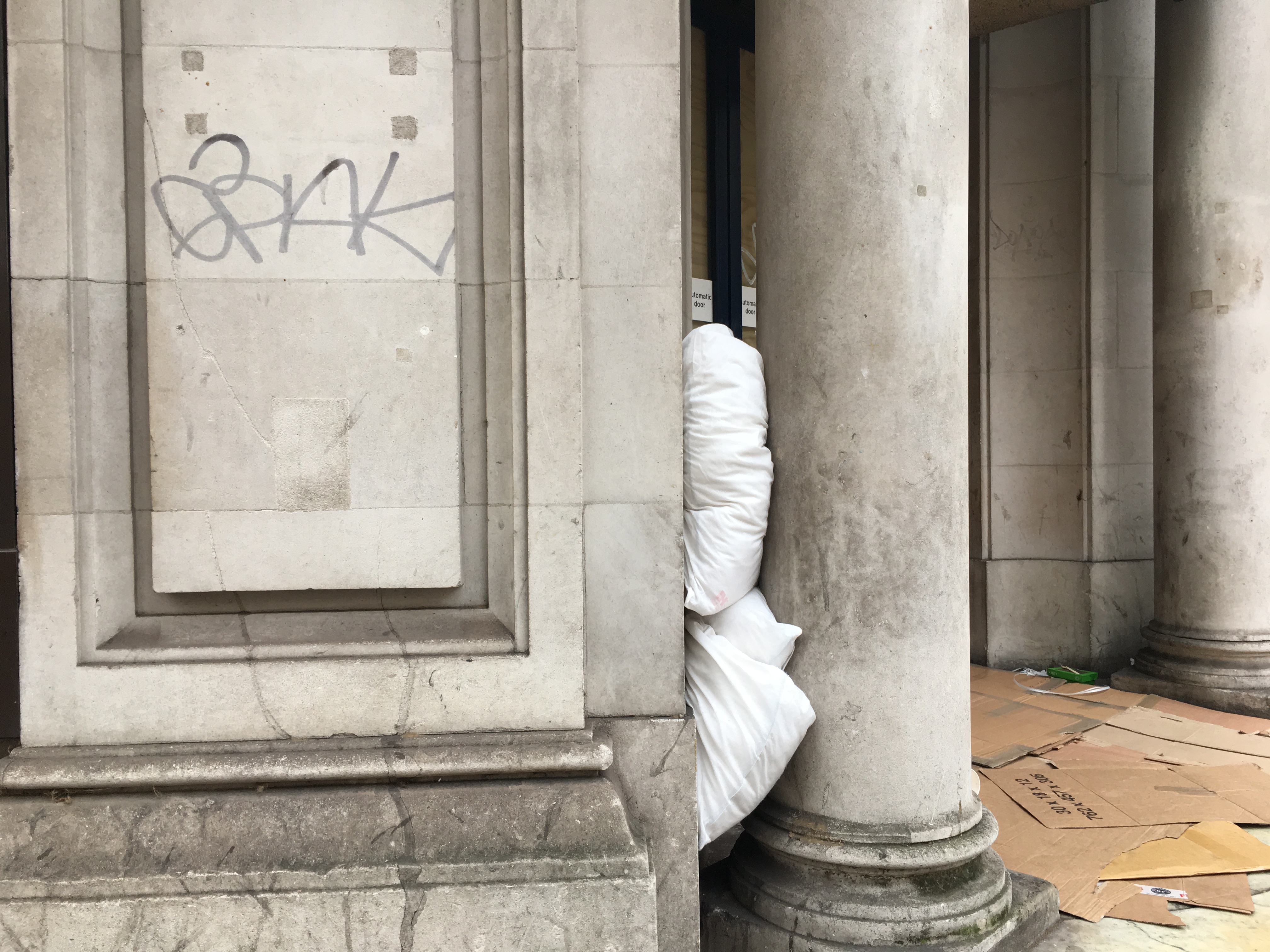
I took this photo many many moons ago. It shows that some things in us stay relevant whilst our subjectivity continues to flex. There is a struggle inherent in this photo, a power struggle perhaps. The material elements, of marble so grand; something solid, fixed, hard, maybe masculine; cardboard cheap and a material that protects what it constrains, something to support the surival of thing it holds, it offers insulation to those that sleep rough against a hard floor; pillows, the ultimate in comfort, signifying softness and a place for head to rest, they feel feminine to me, like a body or a breast, yet they sit between this cold and hard stone. The mark making in graffiti, a need to express oneself, to feel one exists. Clearly the entire scene which was in Holborn, the entrance of somewhere grand, offered a little spot of refuge to the human that needs it. On a personal level this scene offered the abjection of where life can go when things fall apart, where life bottoms out. There were times when I used to shudder when walking past people who appeared without a home, those often struggling with addiction, the edge felt too close sometimes to a place I could fall to.

29 April 2026

A rebellious spirit

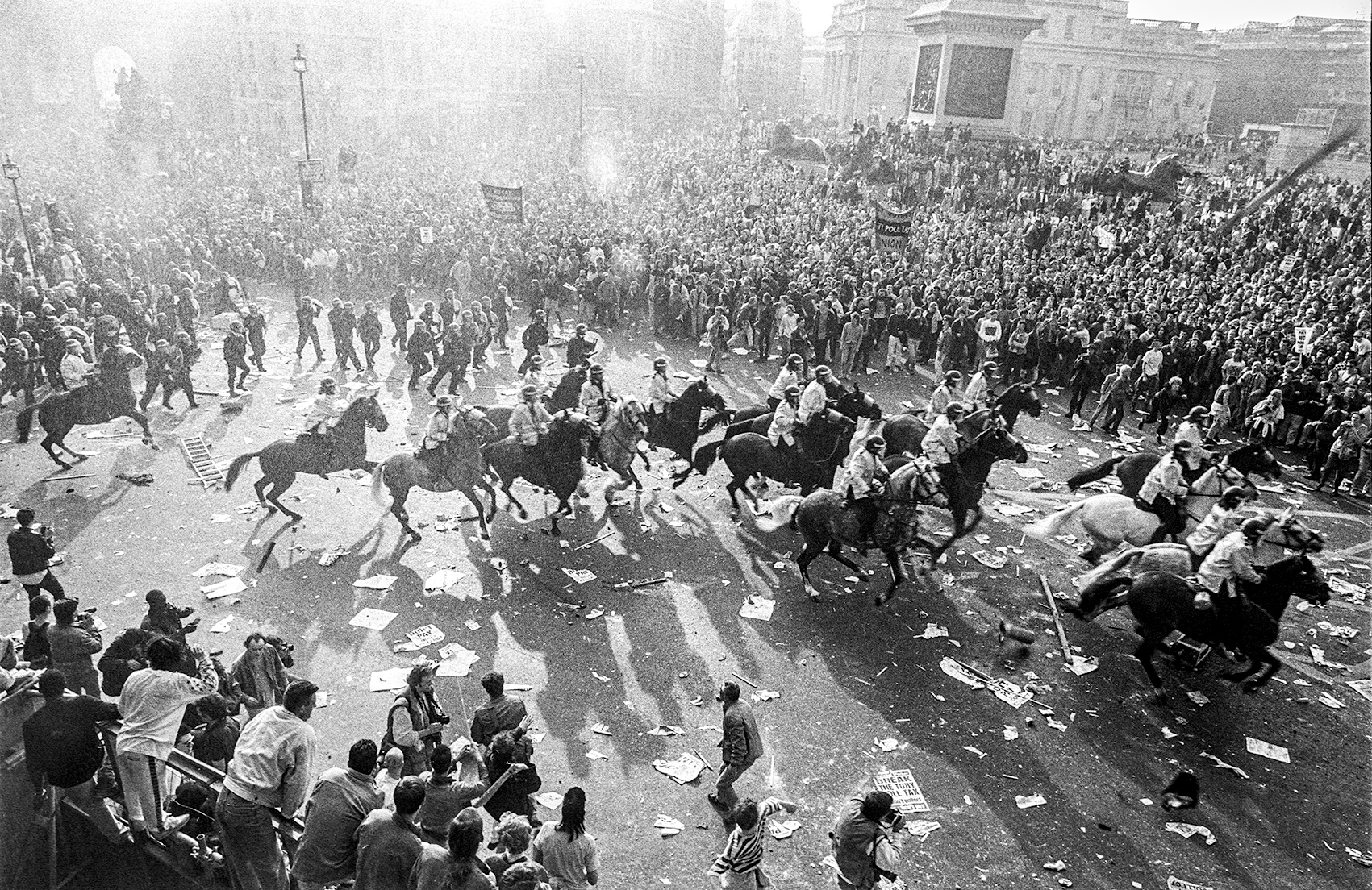
Steve Conlan, Sending in the Horses, March 31, 1990 In 1990 I was 16. I don't know if I was at this march, but I might of been. I know the spirit of this photograph, that force was in me, it resisted authority and always had done, slowly as adulthood and parenthood and sobriety took hold I began to heel. I missed it, and I missed that fuck it attitude, the riskiness of being open to chance encounters, or being able to play without too much thought for consequences. Things were dirty and raw and there was little fear within us as a generation. We believed in taking things on, on confronting authority, the energy felt fresh. Or maybe I was just young, or a combination of both. The spirit of those times is slowly being resurrected in my work right now. I can feel that will to power rising up in me. part nostalgia, part vision for a different future where the future often felt barred, but there was an aliveness in my work, and there was some trace of violence, or perhaps force is more accurate, attempting to present itself. In a lecture recently our tutor told us about the master / slave dialectic of Hegel. He asked us if our we were the master and our practice the slave, and posed the question what if our practice was master? I knew my practice was beginning to feed itself, it somehow was leading me, I was learning to trust it.

28 April 2026

Research and Experimentation

Moving Image: Test visualising 24 hours of calls into 24 mins. A white screen represents a call in progress, black screen no calls. This work approximates the calls based on data published by Refuge, and is not directly technically linked to their call centre. Refuge, the charity that supports women and children experiencing domestic abuse, receives around 400–500 calls a day to its helpline. One in four women in England and Wales will experience domestic abuse in their lifetime, and two women a week are killed by a current or former partner. I have been writing about the slow violence experienced by women without adequate social or financial support, and how this is sustained through late capitalism: the atomisation of family life, economic precarity, and the strain of managing care under unstable conditions. This can produce a gendered psychic and bodily toll, felt as anxiety, exhaustion, depression, and other chronic conditions. Women are diagnosed with depression and anxiety at significantly higher rates than men, and around 80% of autoimmune disease diagnoses occur in women (Fairweather & Rose 2004; Ngo et al. 2014). I was thinking about how to bring this research into my practice without compromising the aesthetics I am seeking. I want to find a way to hold these statistics while drawing attention to the work Refuge does in helping women and children find safety and reclaim agency. Inspired by post-minimalism, particularly Felix Gonzalez-Torres, I began thinking through metaphor: how light and time might register each call for help. Working with a technologist, we used Refuge’s published data to estimate the number and duration of calls, creating a test in which a light switches on and off with each call. This raised important ethical questions that I am still working through. It also feels important that audiences understand the context of the work and have the opportunity to donate, something I am ideating currently.

27 April 2026

The Present TENSE

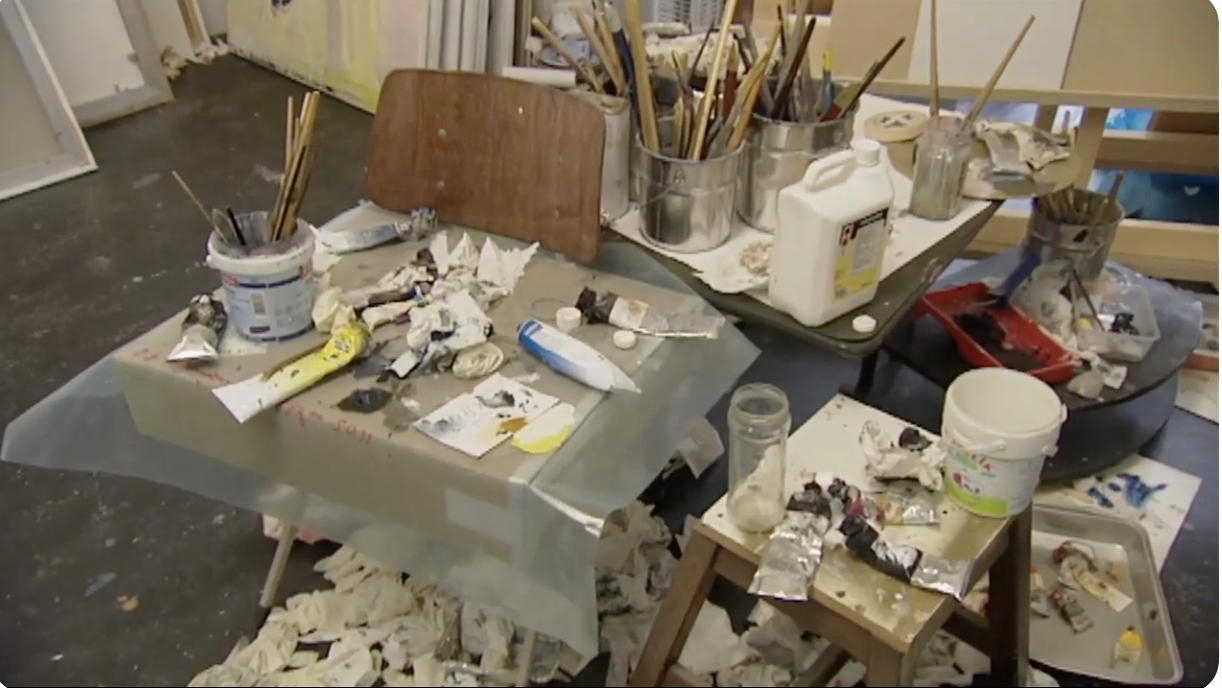
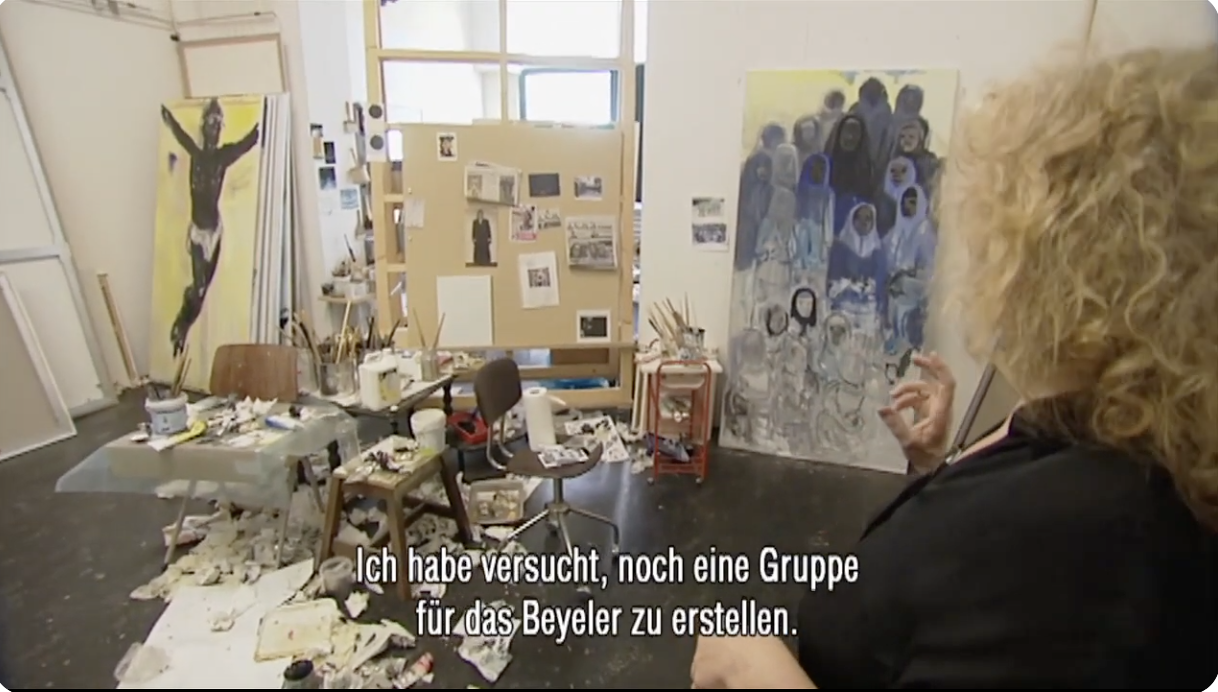
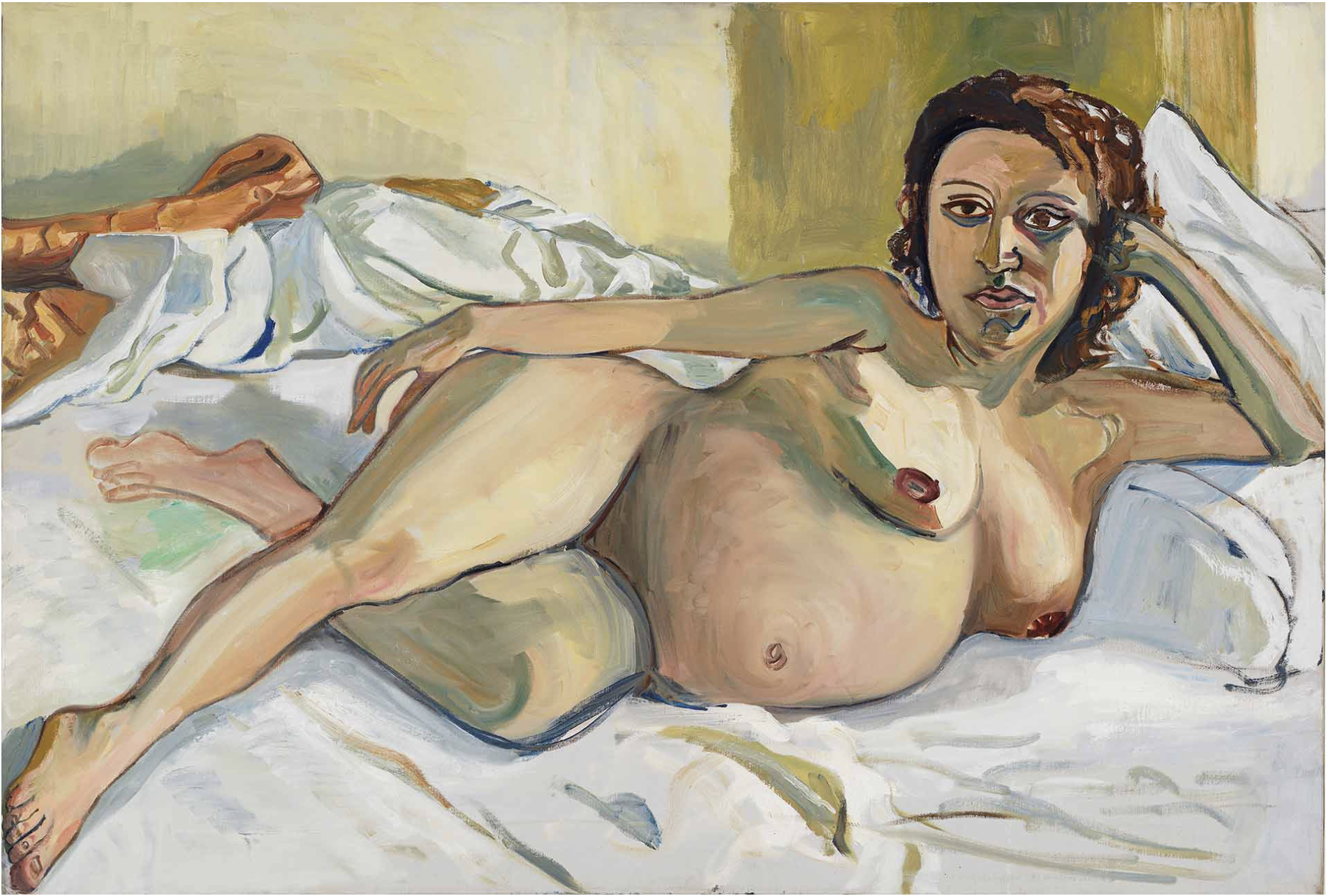
Images: Studio practice, WIP, oil on canvas, April 2026 I have been giving some thought to the body of work we are developing for our graduate show. Having come through a period of mourning, I noticed something in me wanting to engage with the pulsation of life, to feel into that as erotic power. Audre Lorde’s essay on the erotic was a text I kept returning to. “The erotic is the measure between the beginnings of our sense of self and the chaos of our strongest feelings. It is the internal sense of satisfaction to which, once we have experienced it, we know we can aspire. For having experienced the fullness of this depth of feeling and recognising its power, in honour and self-respect we can require no less of ourselves.” I was also thinking about desire and its relation to the erotic: how we feel out a sense of self amid chaos, locate it, and move towards what feels good. I am writing about these ideas in my dissertation, particularly the object of desire, what Lacan terms Object A. Crucially, I am interested in how we are haunted by desire, and how our ability to access agency is constrained under late-stage capitalism. As Lauren Berlant writes: “your objects [desires] are not objective, but things and scenes that you have converted into propping up your world, and so what seems objective and autonomous in them is partly what your desire has created and therefore is a mirage, a shaky anchor” Questions arise about female power and vulnerability, and the unstable subjectivity that can develop between them. It is about a fierce femininity: our ability to seduce and to self-preserve amid growing misogyny; about places of refuge, and finding the courage to move towards them; about the freedom to dream, or engage in fantasy. It is also about surviving the phantasy of what we have been socially conditioned to believe we should aspire to, and instead feeling into the feminine power that already sits within. This was also, perhaps, about the story of a single mother raising a girl. Notes: Audre Lorde (1984) 'Uses of the erotic: the erotic as power', in Sister Outsider: essays and speeches. Berkeley, CA: The Crossing Press, p44. Berlant, L. and Edelman, L. (2014) Desire/Love. Brooklyn, NY: Punctum Books.